Finding Your Photography Style Without Copying Someone Else
How to Develop a Photography Style (That Actually Feels Like You)
If you'd asked me what "having a style" meant when I first picked up a camera, I probably would have pointed you towards a Lightroom preset.
Like so many photographers, I spent hours scrolling Instagram, Pinterest and photography blogs, convinced that if I could just find the right edit, my work would suddenly feel professional.
I'd compare my images to photographers I admired and wonder what I was missing.
Was it the colours?
The editing?
The lens they used?
The poses?
The truth is, style felt like something everyone else had somehow discovered except me.
Then something changed.
I found a preset that genuinely resonated with me. For the first time, I looked at my own photographs and thought, "Yes… this is what I was trying to create."
That preset didn't magically give me a photography style.
It simply helped my photographs feel more like the way I already saw the world.
Looking back, that's the biggest lesson I could share.
Your photography style isn't something you copy.
It isn't something you buy.
And it definitely isn't something you discover overnight.
It's something you uncover over time.
Style Is So Much More Than Editing
When photographers talk about "finding their style," editing is usually the first thing that comes to mind.
Should you edit true to color?
Warm and earthy?
Film-inspired?
Bright and airy?
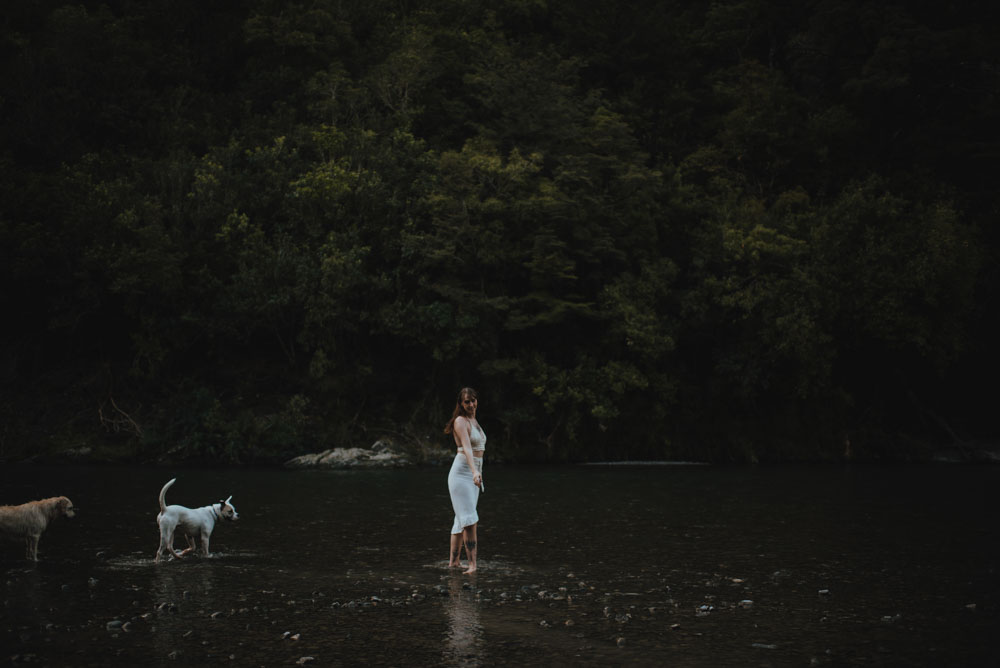
Dark and moody?
While editing certainly plays a role, it's only one piece of the puzzle.
Your photography style is really a collection of hundreds of tiny decisions you make every time you pick up your camera.
It's the way you use light.
The moments you wait for.
Whether you're drawn to wide landscapes or intimate close-ups.
How you interact with your clients.
Whether you encourage movement or carefully pose each person.
The emotions you choose to photograph.
All of those choices combine to create something uniquely yours.
That's why two photographers can use the exact same preset and still produce completely different galleries.
There's Nothing Wrong With Using a Preset
Let's clear something up.
There seems to be an unspoken belief in photography that "real" photographers create every preset from scratch.
I don't agree.
I use a purchased preset (actually I lie, it was a freebie from an educational course 😅).
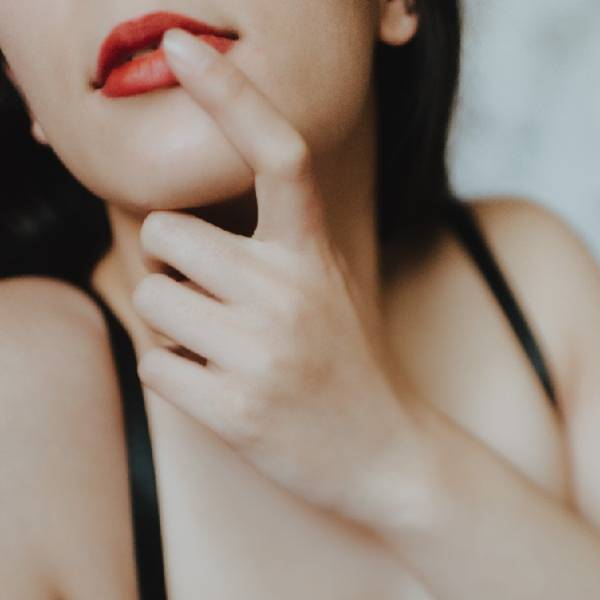
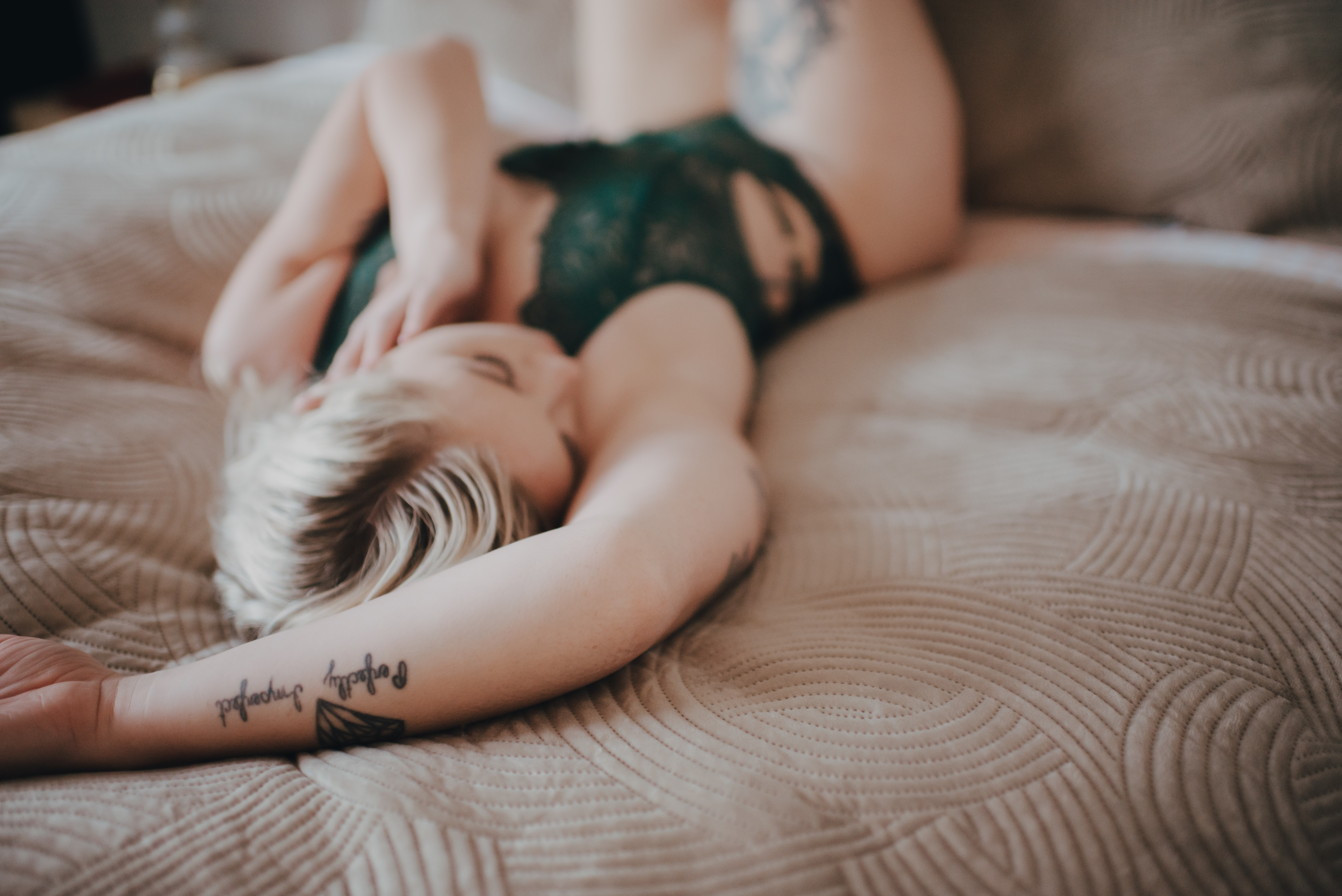
In fact, finding the right preset was one of the first moments my work finally felt like it had emotion. It wasn't because someone else's editing suddenly became my style—it was because I'd found a tool that complemented the way I wanted my photographs to feel.
There's nothing wrong with using tools that help bring your vision to life.
The mistake isn't buying a preset.
The mistake is expecting a preset to do all the work for you.
Give the same preset to ten photographers and you'll receive ten completely different galleries back.
Why?
Because every photographer notices different things.
Some photographers chase golden light.
Others love overcast skies.
Some are drawn to quiet moments of connection.
Others thrive on movement, laughter and chaos.
The preset enhances your vision—it doesn't replace it.
Editing Is About Finding What Resonates With You
Photography trends come and go.
One year everyone loves true-to-color edits.
The next, it's soft film tones.
Then rich greens become popular.
Or warm reds.
Or vintage grain.
Or dramatic contrast.
None of them are wrong.
The important question isn't:
"What's popular?"
It's:
"Which one makes me feel something?"
When I found the preset I now use, it wasn't because it was trending.
It simply matched how I wanted my images to feel.
That was enough.
Sometimes Your Style Evolves Naturally
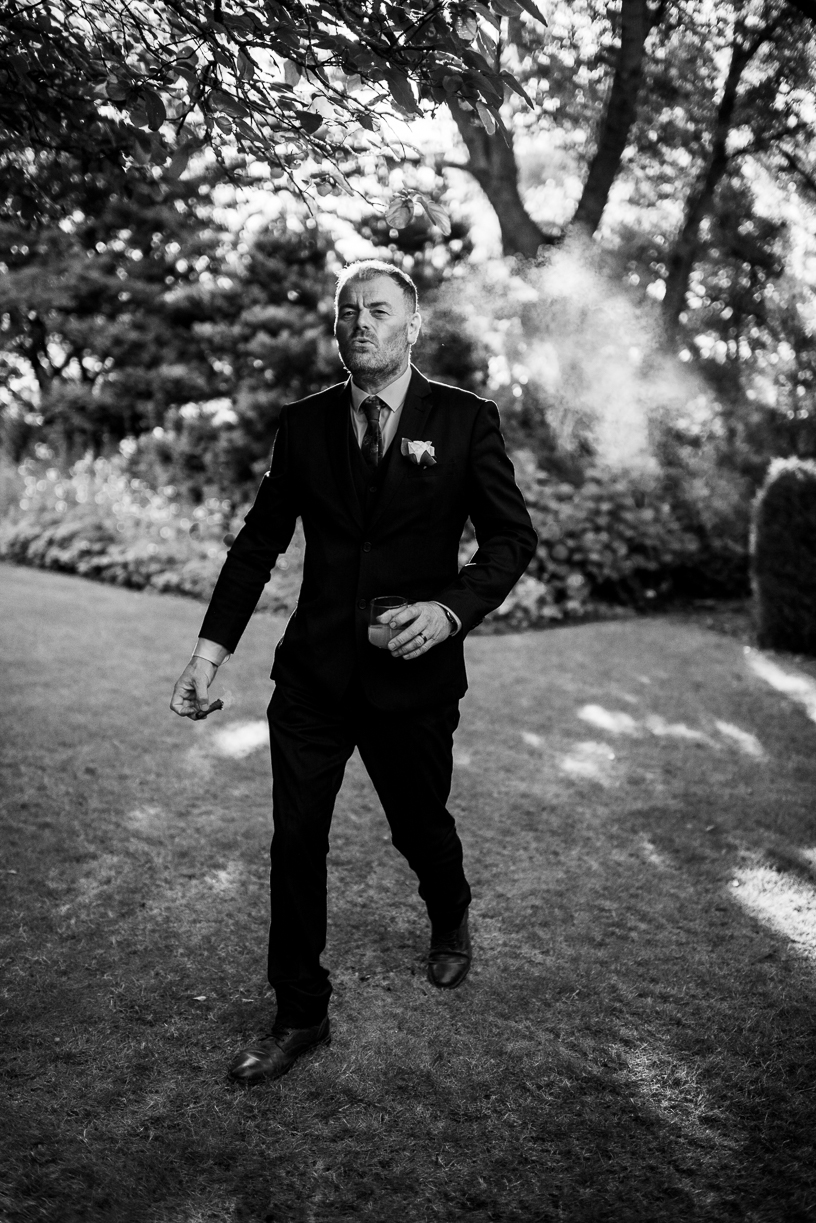
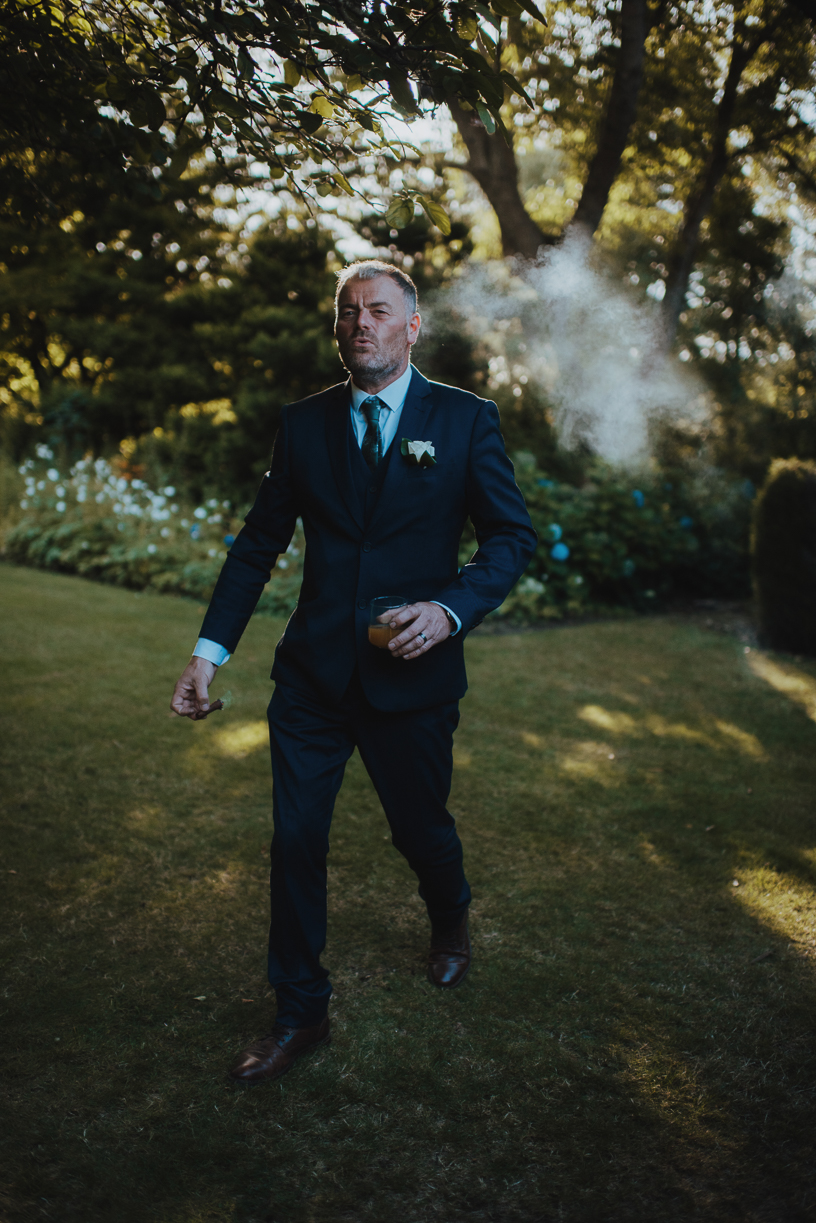
Interestingly, the only preset I've ever created myself is my black and white edit.
Not because I wanted a signature preset.
But because I realized I was making the exact same adjustments every single time.
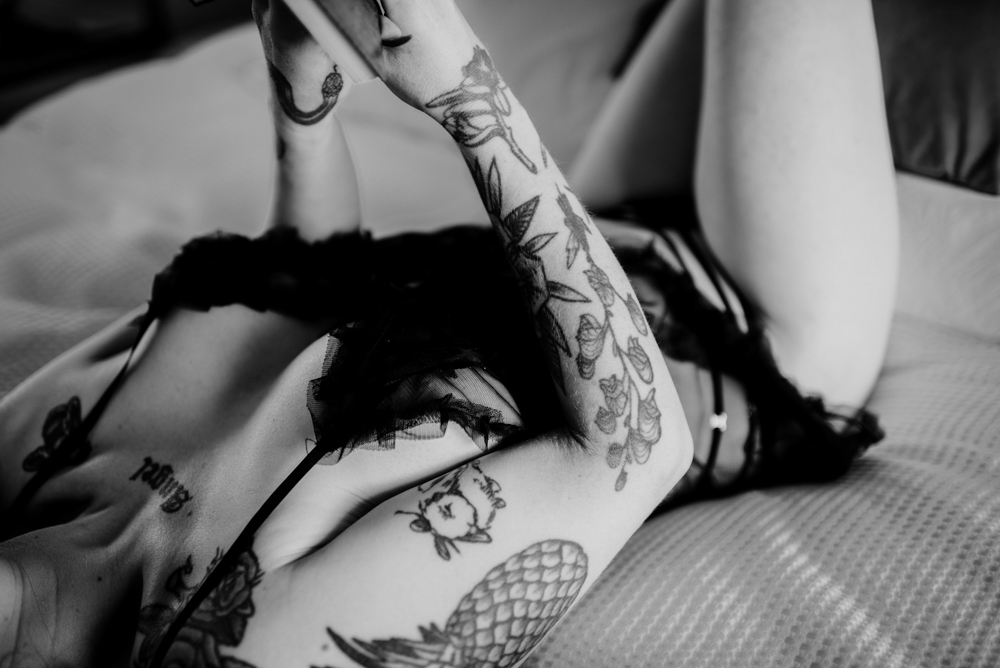
I love black and white photographs with contrast.
Rich blacks.
Bright highlights.
Depth.
A little bit of drama.
Eventually it became obvious that I wasn't tweaking images because I hadn't found the right preset—I was refining what I personally loved.
So I built one.
That's probably the best example of how style develops.
You don't sit down one afternoon and decide you're going to create a signature look.
You simply repeat the same creative decisions often enough that they become part of your work.
Inspiration Isn't the Enemy
Here's something I wish more photographers talked about.
There's absolutely nothing wrong with being inspired by other photographers.
In fact, I'd encourage it.
Studying other artists teaches us composition, lighting, storytelling and creativity.
The problem only starts when we stop asking why we love an image and instead focus on recreating it exactly.
Instead of saving photographs because you want to copy them, save them because you want to understand them.
Ask yourself:
What drew me to this image?
Was it the light?
The emotion?
The colours?
The composition?
The storytelling?
When you understand why something resonates with you, you can begin creating your own interpretation rather than someone else's copy.
Your Favourite Images Already Hold the Answers
One of the best exercises I've ever done wasn't looking at someone else's portfolio.
It was looking at my own.
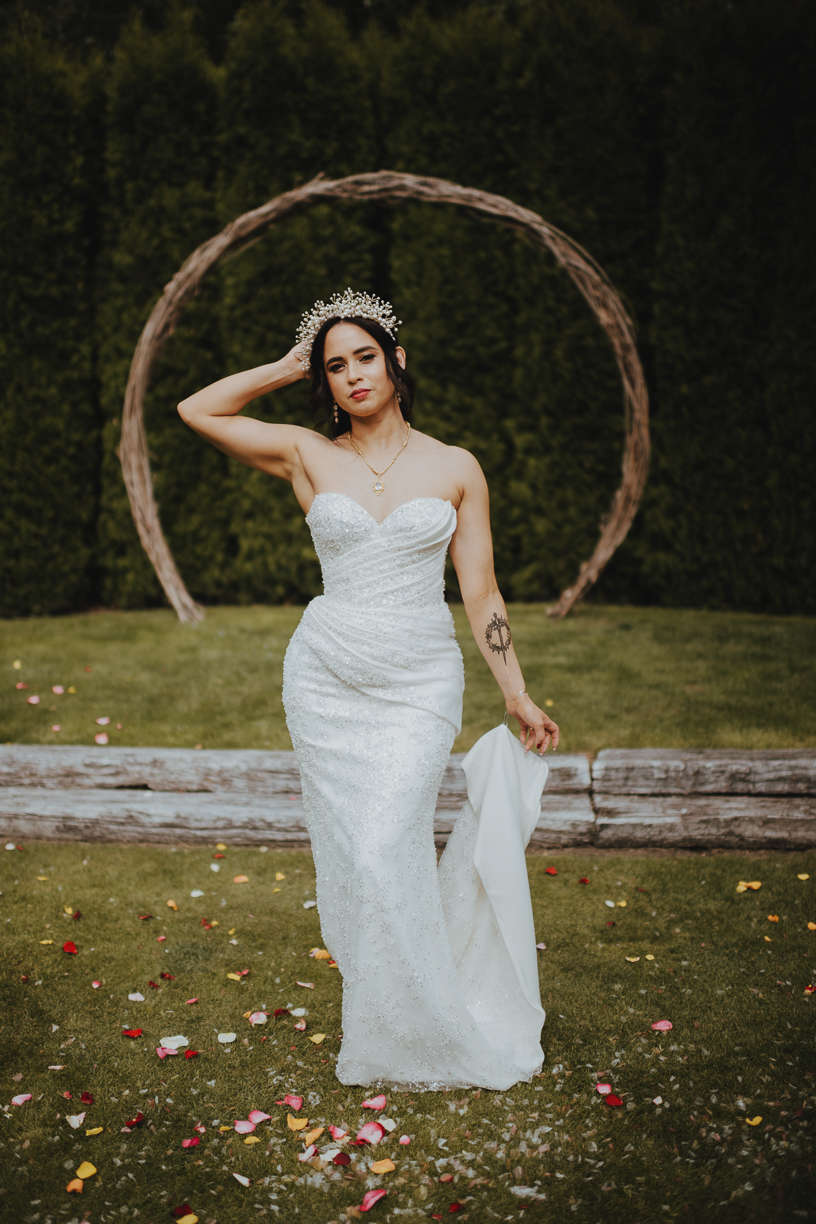
Choose thirty of your favourite photographs. *Not your clients' favourites. Not the ones with the most likes. Your favourites.
Now look for patterns.
Do you always photograph movement?
Do you naturally shoot into the light?
Do you love dramatic weather?
Do you always capture genuine laughter?
Do you prefer quiet, intimate moments over perfectly posed ones?
You might be surprised how many similarities appear.
Your style is probably already there.
You just haven't noticed it yet.
Spend More Time Creating Than Comparing
It's incredibly easy to consume photography these days.
Instagram.
Pinterest.
TikTok.
YouTube.
Hours can disappear before we've even picked up our camera.
But style doesn't develop through scrolling.
It develops through experimenting.
Try shooting with one focal length for an entire session.
Photograph only black and white for a day.
Focus purely on movement.
Challenge yourself to find interesting light instead of interesting locations.
The more you create, the more you'll discover what naturally excites you.
And that's where style begins.
Let Your Personality Show
One of the biggest influences on your photography isn't your camera.
It's you.
If you're calm by nature, your sessions will probably feel calm.
If you're adventurous, you'll likely encourage exploration.
If you're sentimental, you'll notice tiny emotional moments others might miss.
If you're a bit cheeky, chances are your clients will relax enough to show that side of themselves too.
Your personality quietly weaves its way into every gallery you deliver.
That's not something to hide.
It's one of your greatest strengths.
Your Style Will Continue to Change
Perhaps the most reassuring thing I can tell you is this:
Your style isn't supposed to stay the same forever.
Mine certainly hasn't.
As we grow as photographers—and as people—our work evolves too.
We become more confident.
More intentional.
More willing to trust our instincts.
That's not losing your style.
That's refining it.
Final Thoughts
If there's one thing I'd love you to take away from this article, it's this:
Your photography style isn't hiding behind someone else's Instagram feed.
It isn't waiting inside the latest preset pack.
And it certainly isn't found by trying to become a copy of the photographers you admire.
It's found through every client you photograph.
Every mistake you make.
Every experiment you try.
Every tiny creative decision you repeat because it simply feels right.
Be inspired by others.
Learn from them.
Study their work.
But always leave room for your own voice to grow.
One day, someone will come across one of your photographs and recognize it before they even see your name.
Not because it looks like everyone else's.
But because, over time, you've created something that could only ever belong to you.