From Awkward to Authentic: Helping Clients Relax in Front of the Camera
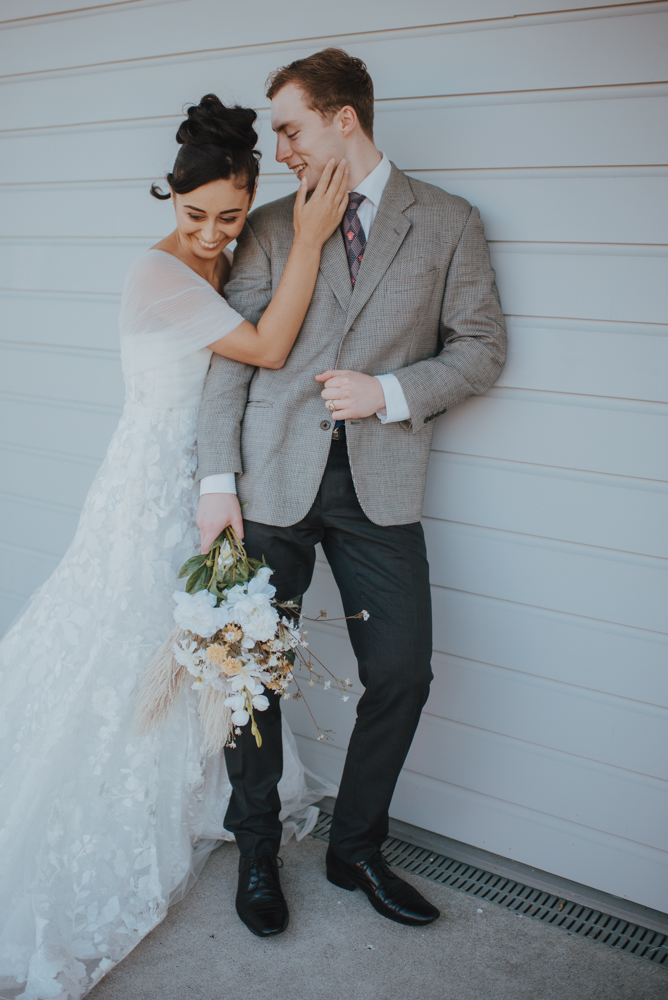
"I don't know what to do with my hands."
If you've photographed people for more than five minutes, chances are you've heard that sentence before.
Whether you're photographing couples, families, weddings, or branding clients, most people don't step in front of a camera feeling completely confident. They're worried about how they look, whether they're doing things correctly, and whether they'll end up looking awkward in their photographs.
The good news?
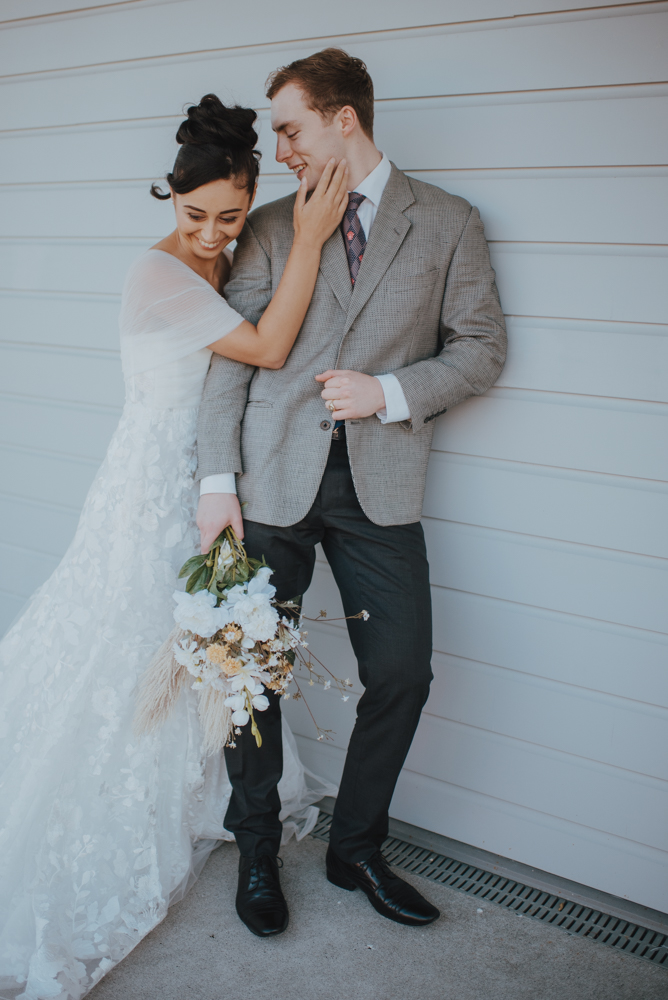
Most people aren't awkward.
They're nervous.
And those are two very different things.
The photographers who consistently create authentic, emotional images aren't necessarily the photographers with the most advanced posing systems. They're often the photographers who know how to make people feel comfortable enough to be themselves.
The Problem Isn't Awkwardness—It's Self-Consciousness
When people first step in front of your camera, they're suddenly aware of everything.
Their smile.
Their posture.
Their hands.
Their facial expressions.
They're wondering if they're standing correctly, if they look strange, or if everyone else somehow knows how to do this better than they do.
As soon as people become self-conscious, they stop being present.
Instead of interacting naturally with their partner, family, or surroundings, they start performing for the camera.
The result isn't awkward because they're awkward people.
It's awkward because they're trying too hard.
Your job as a photographer isn't to fix awkward clients.
Your job is to create an environment where they no longer feel the need to perform.
Comfort Starts Before The Session
One of the biggest mistakes photographers make is assuming client comfort begins when the session starts.
In reality, it starts from the very first interaction.
Think about your client journey:
How quickly do you reply to enquiries?
Do your emails feel warm and personal?
Have you explained what to expect?
Have you reassured them that they don't need experience in front of a camera?
Have you shown examples of everyday people rather than professional models?
Every unanswered question creates uncertainty.
Every uncertainty creates nerves.
By the time clients arrive at a session, they should already feel like they're meeting someone familiar rather than a stranger holding a camera.
The more trust you build before the session, the less work you'll need to do helping them relax during it.
Put The Camera Down Sometimes
Before you start taking photographs, take a moment to connect.
Have a conversation.
Ask about their day.
Talk about how they met.
Ask about their wedding plans, their children, their hobbies, or their dog.
Anything.
Because people connect with people—not cameras.
Sometimes the quickest way to make someone uncomfortable is to spend the first ten minutes of a session hidden behind your camera without speaking.
The quickest way to help them relax is often simply being human first and photographer second.
Give Them Something To Do, Not A Pose To Hold
One of the easiest ways to create awkwardness is to ask people to stand perfectly still.
Humans aren't designed to freeze.
They're designed to move.
Instead of placing clients into a pose and expecting magic to happen, give them an action:
Walk together.
Hold hands and chat.
Tell each other a story.
Sway together.
Fix each other's clothing.
Whisper something ridiculous.
Movement naturally creates reactions.
Reactions create emotion.
Emotion creates photographs that feel genuine.
When people are focused on an experience rather than a pose, they stop thinking about the camera.
That's usually when the best images happen.
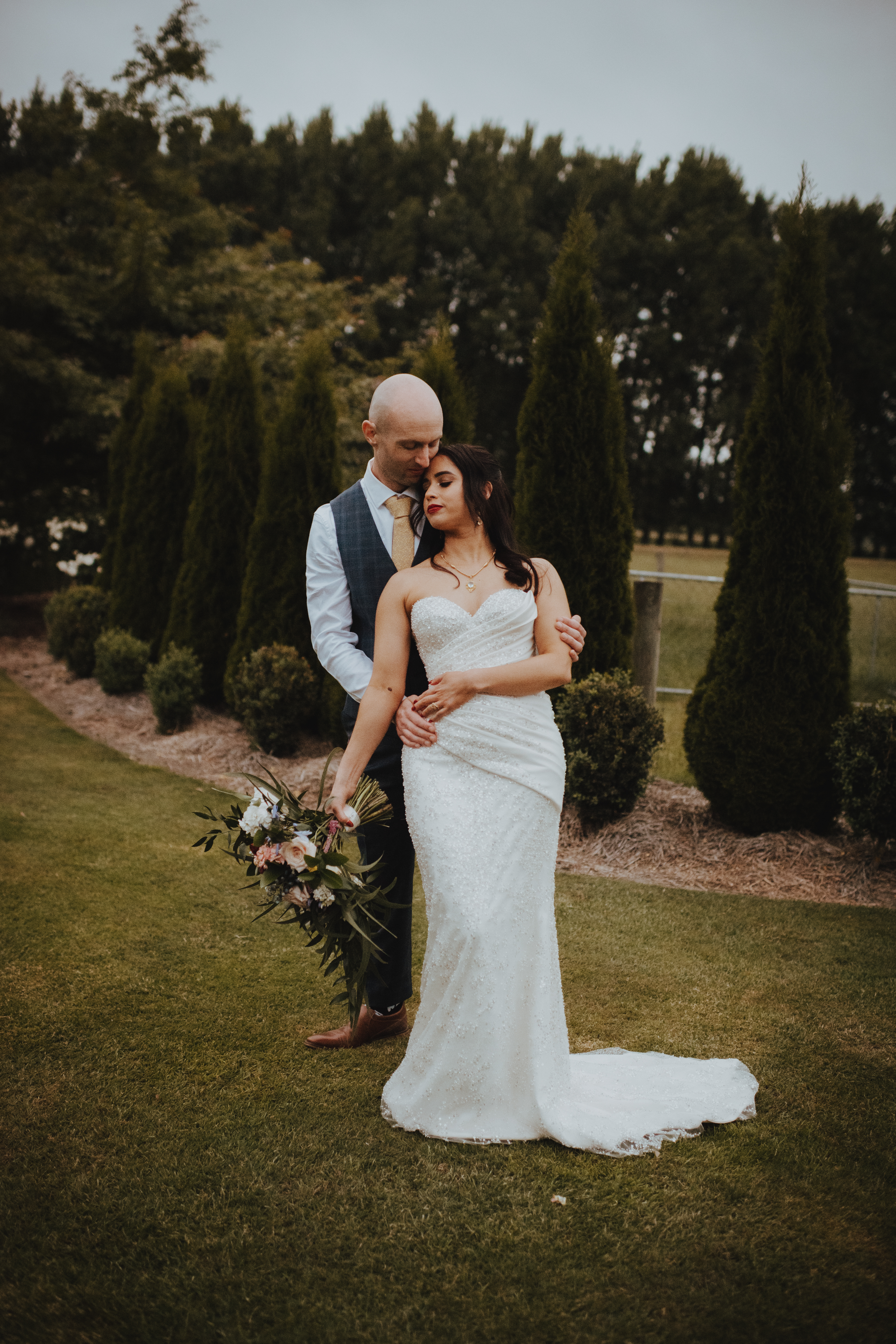
When Too Much Direction Becomes The Problem
One of the biggest misconceptions in photography education is that more detailed direction creates better photographs.
Sometimes the opposite is true.
Imagine being a client and hearing:
"Turn your left foot 45 degrees. Put your right hand here. Tilt your chin down slightly. Bring your shoulder forward. Relax your fingers. Move your elbow. No, not like that."
By the time you've processed all those instructions, you're no longer thinking about your partner, your family, or the moment you're experiencing.
You're thinking about whether you're getting it right.
Over-directing turns people into performers.
Instead of feeling present, they become focused on following instructions and avoiding mistakes.
That's often when smiles become forced, expressions become stiff, and body language starts looking unnatural.
This doesn't mean clients don't need guidance.
They absolutely do.
But there's a difference between guiding someone and micromanaging them.
Try replacing exact instructions with prompts that allow people to move naturally:
Instead of "Put your hand exactly here," try "Find a comfortable way to hold each other."
Instead of "Smile at the camera," try "Tell them something you love about them."
Instead of "Tilt your head like this," try "Lean towards each other."
Your goal isn't perfect positioning.
Your goal is helping people feel comfortable enough for genuine moments to happen.
Keep Talking
One thing photographers often forget is that silence feels very different to clients than it does to us.
While you're concentrating on composition, lighting, and camera settings, your client is standing there wondering:
"Am I doing this right?"
A little encouragement goes a long way.
Simple comments such as:
"That's perfect."
"I love that."
"You two are making this easy."
"Keep doing exactly that."
can dramatically increase someone's confidence.
Clients don't need constant praise.
But they do need reassurance that they're doing okay.
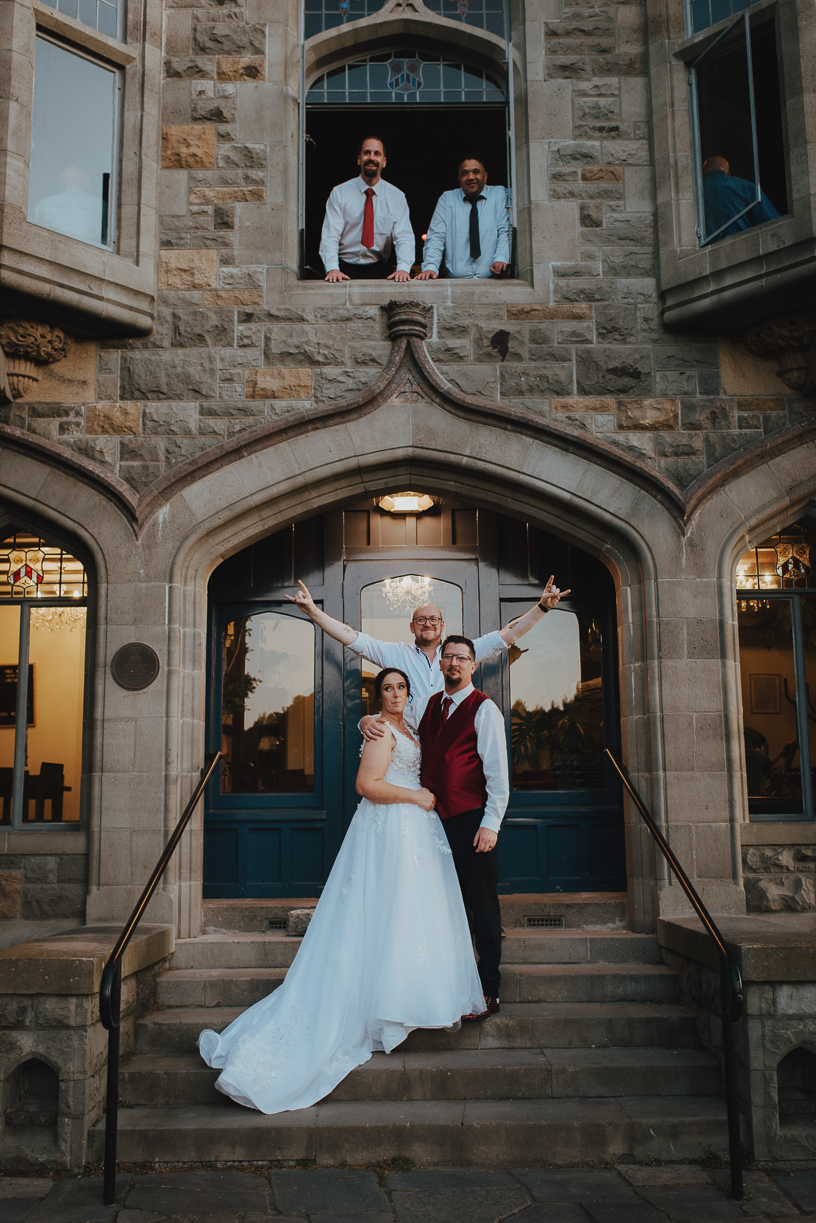
Get Curious
Some of the most natural moments you'll ever capture happen when clients forget they're being photographed.
One of the easiest ways to achieve this is through genuine curiosity.
Ask questions.
Learn about them.
Find out:
How they met.
What they love doing together.
Their favourite travel destination.
What they're most excited about right now.
The story behind their engagement.
When people talk about things they care about, their attention shifts away from the camera.
Their expressions soften.
Their body language changes.
Their personality starts to show.
And personality will always be more interesting than a perfectly executed pose.
Authentic Doesn't Mean Unposed
Authentic photography is often misunderstood.
It doesn't mean turning up and hoping for the best.
It doesn't mean never giving direction.
It means using direction intentionally.
The purpose of posing shouldn't be to create mannequins.
The purpose of posing should be to create opportunities for connection.
Your clients don't need less guidance.
They need guidance that helps them feel confident rather than controlled.
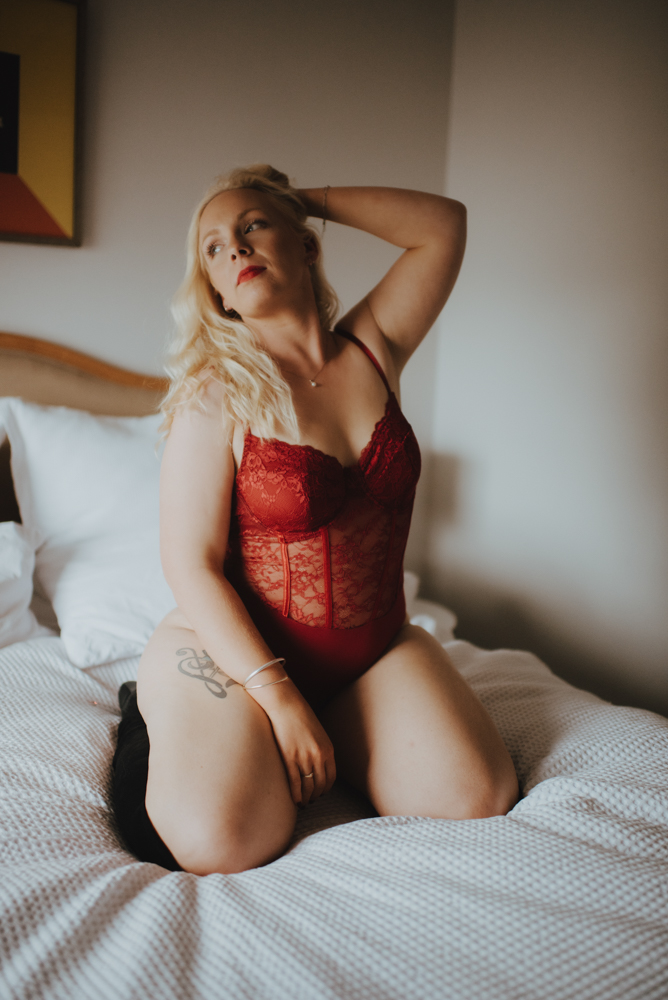
The Secret Nobody Talks About
The photographers who consistently create authentic images aren't always the most technically gifted.
They're often the best people readers.
They notice when someone is nervous.
They know when to crack a joke.
They know when to slow things down.
They know when to stop talking and let a moment unfold naturally.
Because photography isn't just about cameras.
It's about people.
And people will always remember how they felt long after they've forgotten the pose they were standing in.
Final Thoughts
If your clients seem awkward in photos, don't immediately look at your posing.
Look at your experience.
Look at your communication.
Look at the environment you're creating.
When people feel safe, comfortable, and genuinely seen, authenticity follows naturally.
And authenticity will always be far more powerful than perfection.
Because the best photographs aren't created when people know exactly what to do.
They're created when people feel comfortable enough to simply be themselves.